
Jeffrey’s Bay, situated on the eastern coast of South Africa, is renowned for its breathtaking natural beauty and diverse ecosystems. From its pristine beaches to its rugged cliffs and lush vegetation, the area surrounding Jeffrey’s Bay offers a captivating glimpse into the wonders of the natural world. In this 1900-word exploration, we’ll delve into the rich tapestry of nature that graces Jeffrey’s Bay and its surroundings.
Coastline and Beaches:
Jeffrey’s Bay is synonymous with its stunning beaches, which stretch for miles along the coastline. One of the most famous is Supertubes, a world-renowned surfing spot that attracts enthusiasts from across the globe. Here, the relentless rhythm of the waves provides the backdrop for adrenaline-fueled rides and awe-inspiring displays of skill.
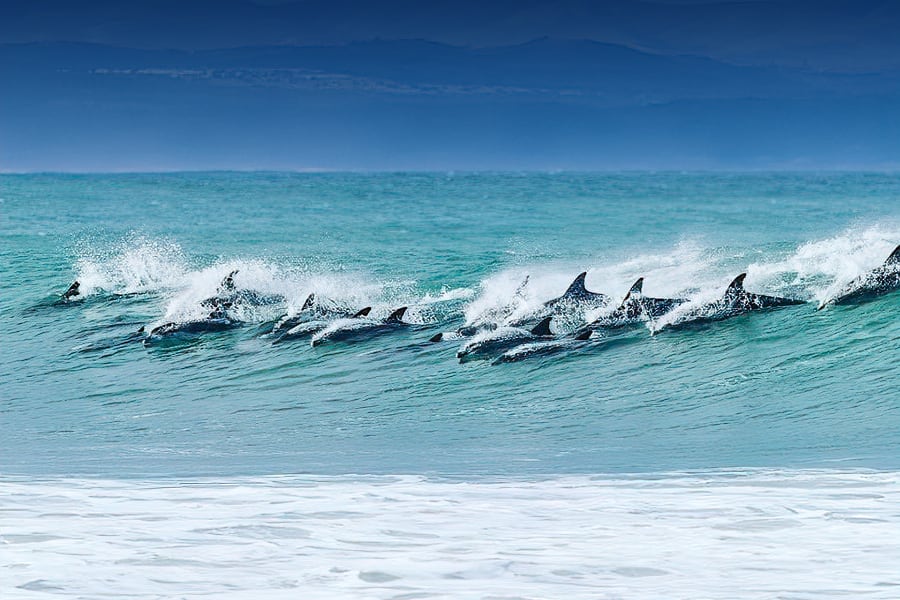
Further along the coast lie the tranquil shores of Dolphin Beach, where pods of dolphins can often be spotted frolicking in the surf. The gentle curve of the bay creates a sheltered haven, perfect for swimming, sunbathing, and beachcombing.
Marine Life:
The waters surrounding Jeffrey’s Bay teem with marine life, making it a paradise for ocean enthusiasts and wildlife enthusiasts alike. Dolphins are a common sight, their sleek forms slicing through the waves with effortless grace. Pods of bottlenose dolphins and common dolphins frequent these waters, often coming close to shore to feed and play.
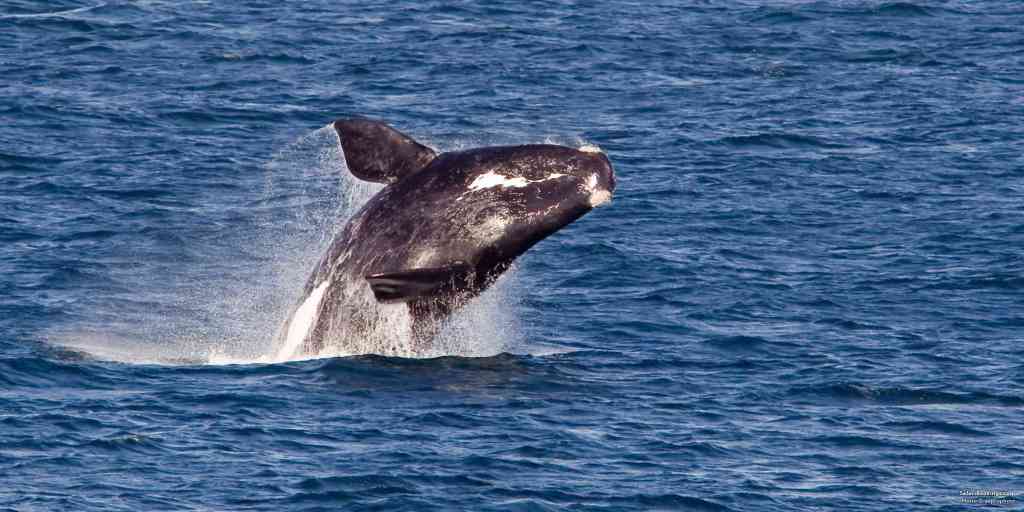
During certain times of the year, southern right whales and humpback whales can be spotted off the coast, their massive forms breaching and spouting as they migrate along the coastline. These majestic creatures serve as a powerful reminder of the importance of marine conservation efforts.
Beneath the surface, a vibrant underwater world awaits discovery. Coral reefs teem with colorful fish, octopuses, and other marine creatures, while rocky outcrops provide refuge for lobsters, crabs, and sea anemones. Snorkelers and scuba divers can explore these rich ecosystems, marveling at the diversity of life that exists beneath the waves.
Birdlife:
The skies above Jeffrey’s Bay are alive with the calls of birds, adding an auditory dimension to the coastal landscape. Seabirds such as gulls, terns, and cormorants can be seen wheeling and diving over the waves, their cries blending with the sound of the surf.
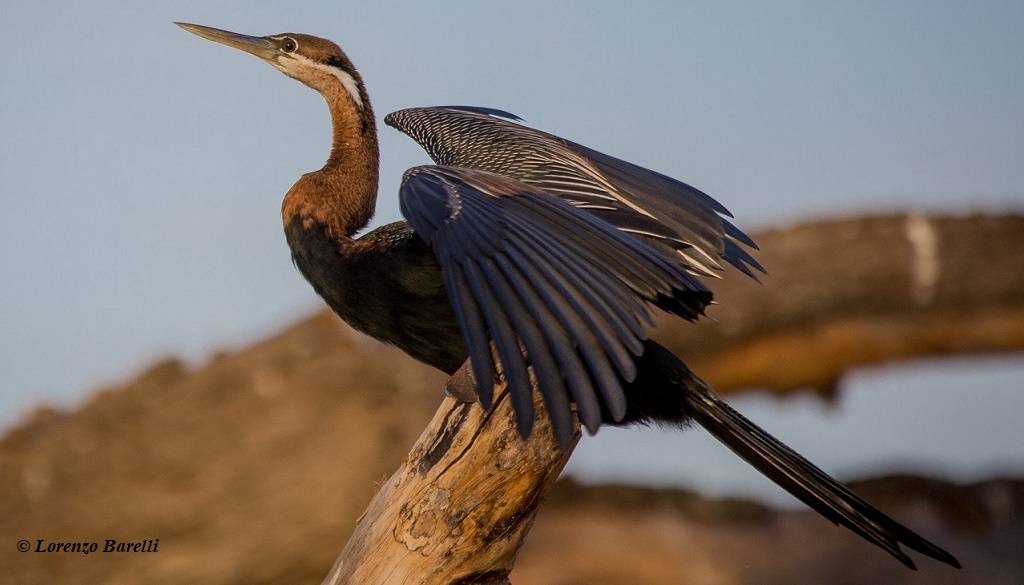
In the wetlands and estuaries that dot the coastline, a different array of birdlife can be found. Herons, egrets, and ibises stalk the shallows in search of food, while kingfishers dart from perch to perch, their iridescent plumage catching the sunlight.
One of the highlights for birdwatchers is the Cape Recife Nature Reserve, located just a short distance from Jeffrey’s Bay. Here, a diverse range of habitats, including dunes, wetlands, and coastal forest, provide a haven for a wide variety of bird species. From endangered African penguins to elusive African fish eagles, the reserve offers ample opportunities for birdwatching enthusiasts to observe and appreciate the avian wonders of the region.
Flora and Fauna:
The natural beauty of Jeffrey’s Bay extends beyond its coastline, encompassing a rich tapestry of flora and fauna that thrives in its diverse habitats. Inland, rolling hills and valleys are carpeted with indigenous vegetation, including fynbos, renosterveld, and thicket.
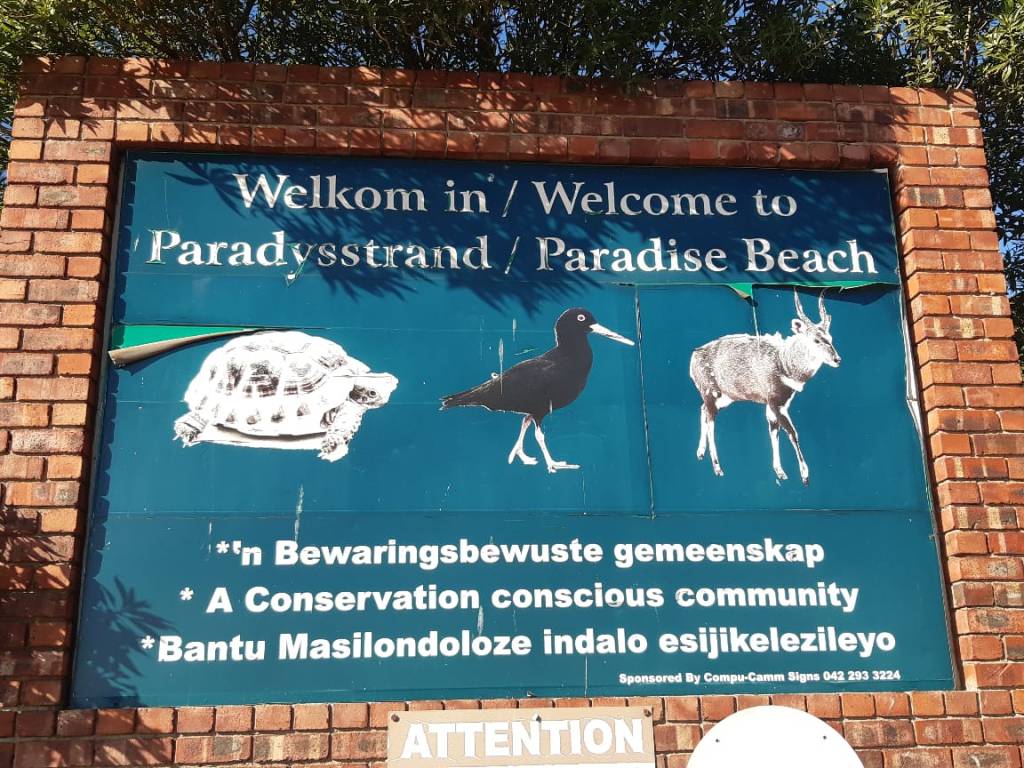
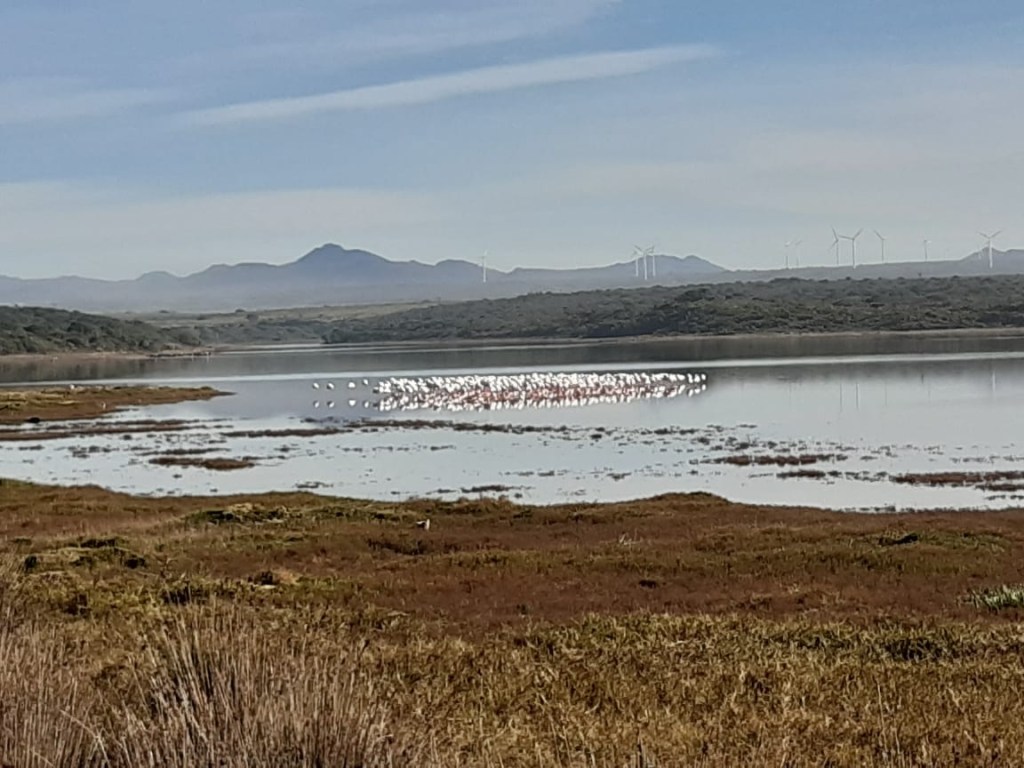
In the heart of the region lies the Seekoei Nature Reserve, a protected area that showcases the unique flora and fauna of the Eastern Cape. Here, visitors can embark on guided walks and hikes, immersing themselves in the sights and sounds of the natural world. From delicate wildflowers to towering aloes, the reserve is a botanical wonderland waiting to be explored.
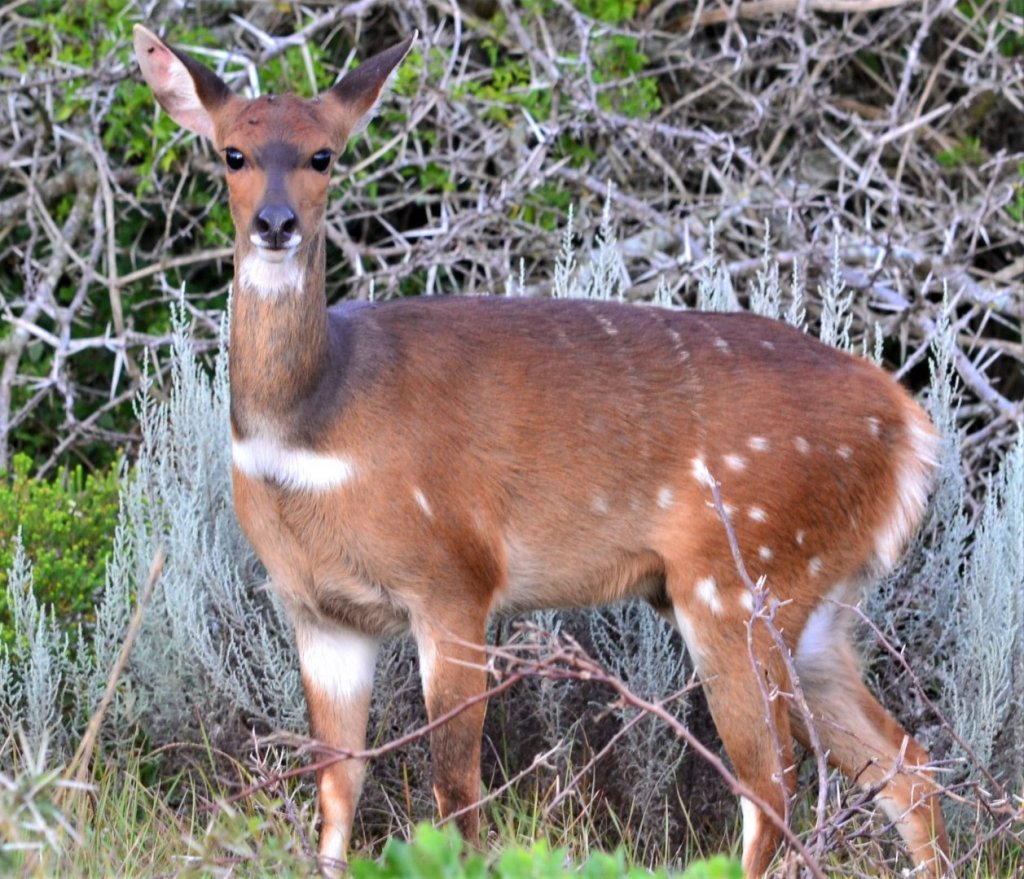
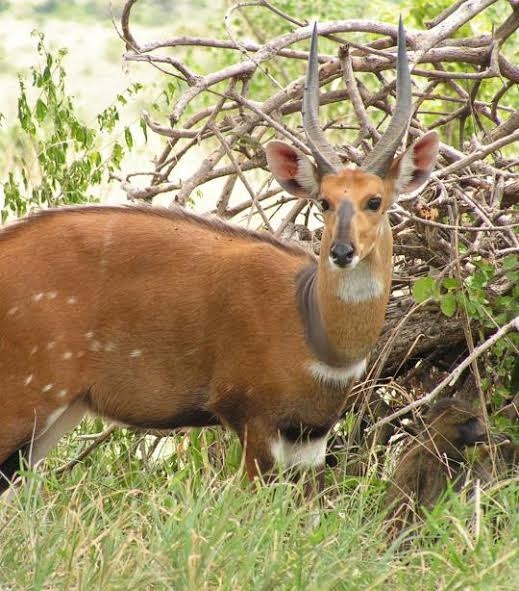
Wildlife enthusiasts will also delight in the chance to encounter a variety of animal species in their natural habitat. Antelope such as bushbuck, duiker, and steenbok roam the hillsides, while smaller mammals like mongoose and dassies scurry among the rocks.
Conservation Efforts:
Despite its natural beauty, Jeffrey’s Bay and its surrounding areas face numerous environmental challenges, including habitat loss, pollution, and overexploitation of natural resources. Fortunately, there are dedicated individuals and organizations working tirelessly to preserve and protect the region’s ecosystems.
Local conservation initiatives focus on habitat restoration, invasive species management, and community education. Volunteers participate in beach cleanups, tree planting initiatives, and wildlife monitoring programs, helping to safeguard the natural heritage of Jeffrey’s Bay for future generations.

Government agencies also play a crucial role in conservation efforts, enacting legislation to protect sensitive habitats and endangered species. Marine protected areas and nature reserves are established to safeguard key ecosystems, providing refuge for a wide range of plant and animal species.
Conclusion:
In Jeffrey’s Bay and its surrounding areas, nature reigns supreme, offering a wealth of experiences for outdoor enthusiasts and nature lovers alike. From its pristine beaches and vibrant marine life to its diverse flora and fauna, the region is a testament to the beauty and resilience of the natural world.
As visitors explore Jeffrey’s Bay and immerse themselves in its natural wonders, they are reminded of the importance of conservation and stewardship. By working together to protect and preserve this precious ecosystem, we can ensure that future generations will continue to be inspired by the untamed beauty of Jeffrey’s Bay for years to come.
Jeffreys Bay & surrounds fishing
Jeffreys Bay lagoon & nature reserve
Get fit on the beach!
 The best of Jeffreys Bay & surrounds