
Jeffreys Bay Lagoon and Nature Reserve: A Jewel of Biodiversity and Conservation
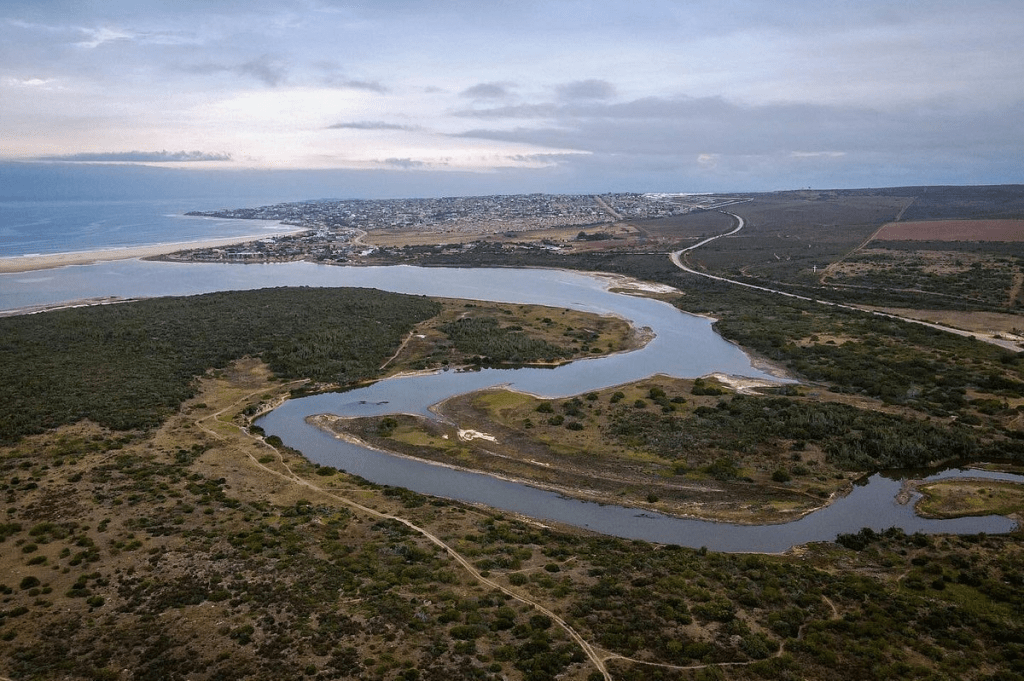
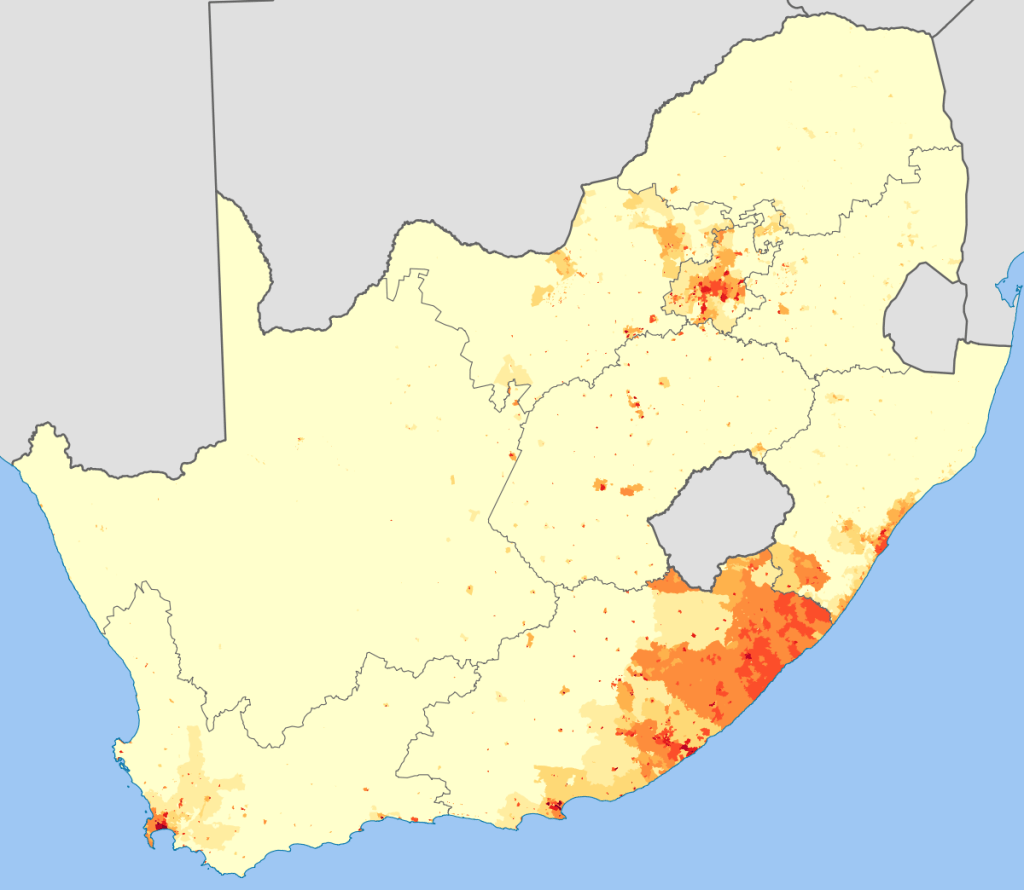
Nestled along the pristine coastline of the Eastern Cape province of South Africa lies the picturesque Jeffreys Bay Lagoon and Nature Reserve. Covering an area of approximately 2,200 hectares, this natural sanctuary is a haven for biodiversity and serves as a vital conservation area for numerous species of flora and fauna. In this comprehensive exploration, we delve into the diverse ecosystems, ecological significance, conservation efforts, recreational opportunities, and the cultural importance of the Jeffreys Bay Lagoon and Nature Reserve.
Geographical Overview
Jeffreys Bay Lagoon and Nature Reserve: A Jewel of Biodiversity and Conservation
Nestled along the pristine coastline of the Eastern Cape province of South Africa lies the picturesque Jeffreys Bay Lagoon and Nature Reserve. Covering an area of approximately 2,200 hectares, this natural sanctuary is a haven for biodiversity and serves as a vital conservation area for numerous species of flora and fauna. In this comprehensive exploration, we delve into the diverse ecosystems, ecological significance, conservation efforts, recreational opportunities, and the cultural importance of the Jeffreys Bay Lagoon and Nature Reserve.
Jeffreys Bay Lagoon and Nature Reserve is situated in the vicinity of the charming coastal town of Jeffreys Bay, renowned for its world-class surfing and stunning beaches. The reserve encompasses a mosaic of habitats, including estuarine systems, wetlands, dune fields, coastal forests, and grasslands, creating a rich tapestry of biodiversity within its boundaries. Its strategic location along the Garden Route, a popular tourist route in South Africa, makes it easily accessible to visitors seeking to immerse themselves in the wonders of nature.
Ecological Diversity
The ecological diversity of Jeffreys Bay Lagoon and Nature Reserve is nothing short of remarkable. The centerpiece of the reserve is the lagoon itself, an expansive body of water that provides crucial habitat for a myriad of aquatic species. The interplay between freshwater inflows and tidal movements creates dynamic and productive ecosystems, supporting abundant marine life, including fish, crustaceans, and mollusks.
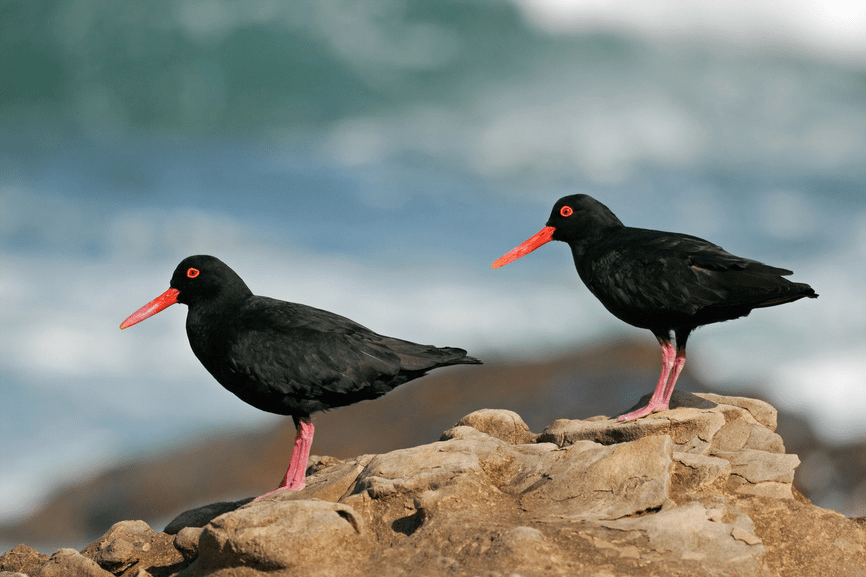
Adjacent to the lagoon are extensive wetlands, teeming with a profusion of waterfowl, wading birds, and migratory species. These wetlands act as vital breeding and foraging grounds, sustaining populations of threatened and endangered bird species such as the African black oystercatcher and the African sacred ibis.
The coastal dune fields and indigenous forests that fringe the reserve harbor a treasure trove of plant species, many of which are endemic to the region. These habitats provide critical refuge for a diverse array of wildlife, from elusive small mammals like the Cape dune mole-rat to iconic predators such as the caracal and the African wildcat.
Conservation Significance
As a designated nature reserve, Jeffreys Bay Lagoon plays a pivotal role in the conservation of South Africa’s natural heritage. The reserve is managed by a team of dedicated conservationists who work tirelessly to preserve its pristine ecosystems and protect its resident species from the myriad threats they face.
One of the primary conservation challenges facing the reserve is the degradation of its wetland habitats due to pollution, habitat loss, and invasive species. Efforts are underway to restore these critical ecosystems through habitat rehabilitation, invasive species control, and community engagement initiatives aimed at promoting sustainable land use practices.
Another pressing concern is the impact of climate change on the reserve’s fragile ecosystems. Rising sea levels, altered precipitation patterns, and increased temperatures pose significant threats to the long-term viability of coastal habitats and the species that depend on them. Conservationists are implementing adaptation strategies to mitigate these impacts and ensure the resilience of the reserve in the face of a changing climate.
Recreational Opportunities
In addition to its conservation significance, Jeffreys Bay Lagoon and Nature Reserve offers a wide range of recreational opportunities for visitors to enjoy. Nature enthusiasts can explore the reserve’s network of hiking trails, which meander through diverse habitats and offer breathtaking views of the surrounding landscape.
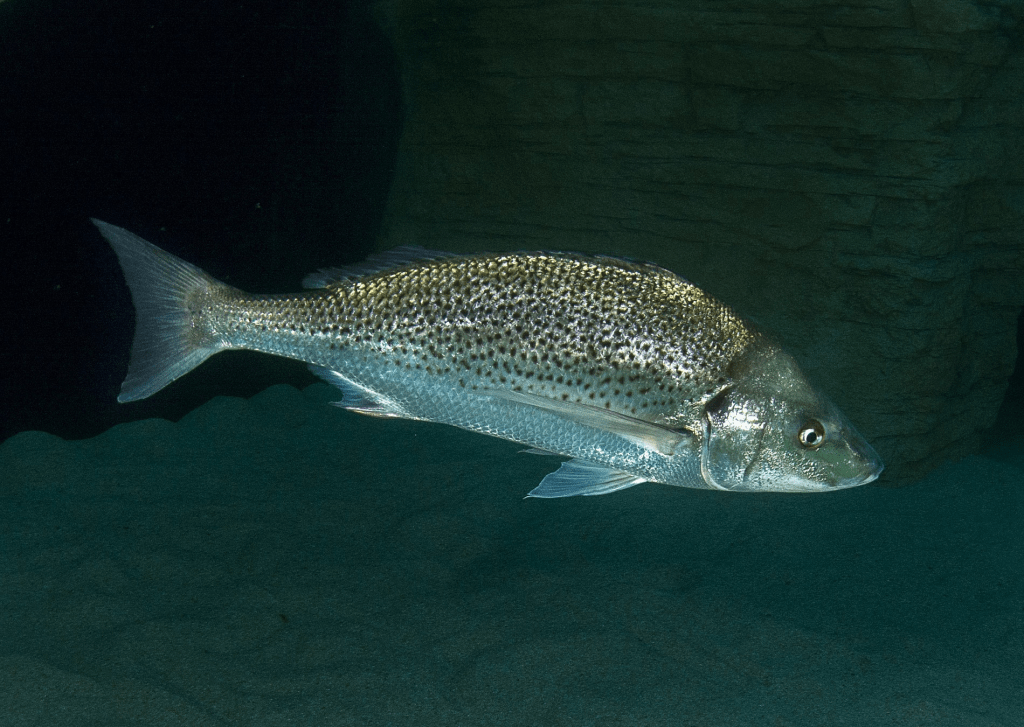
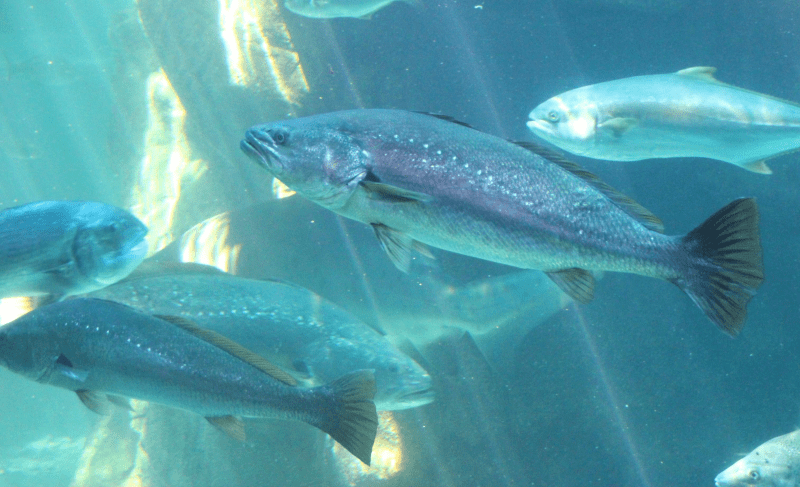
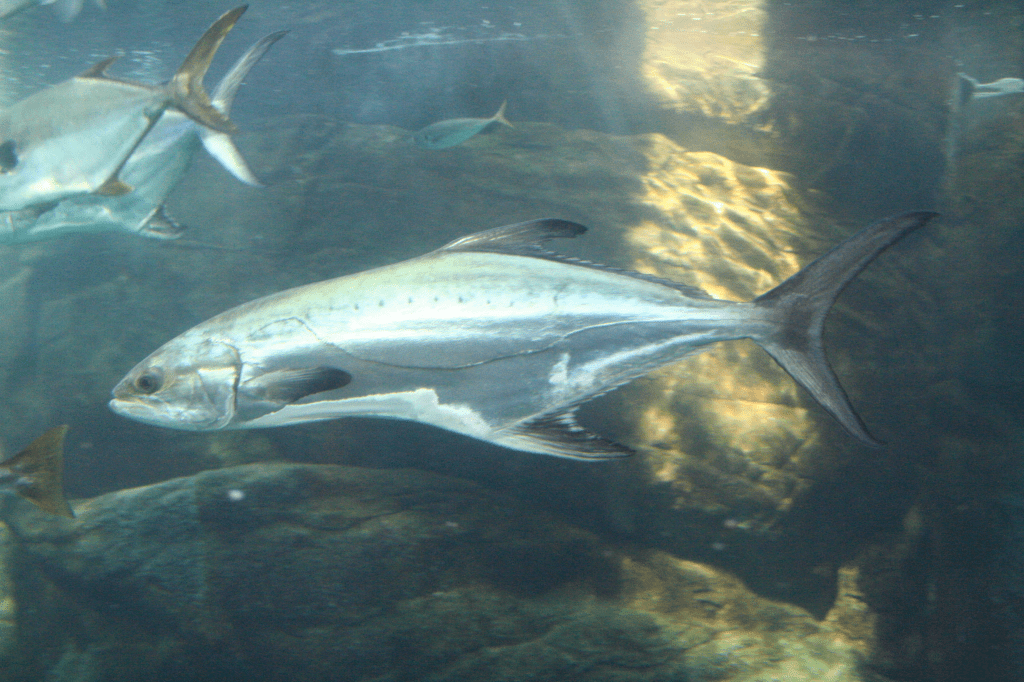
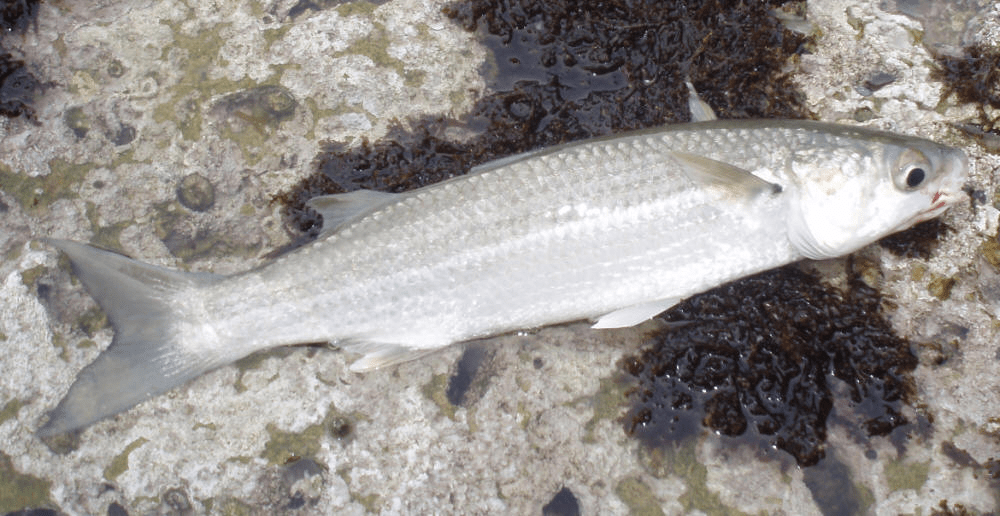
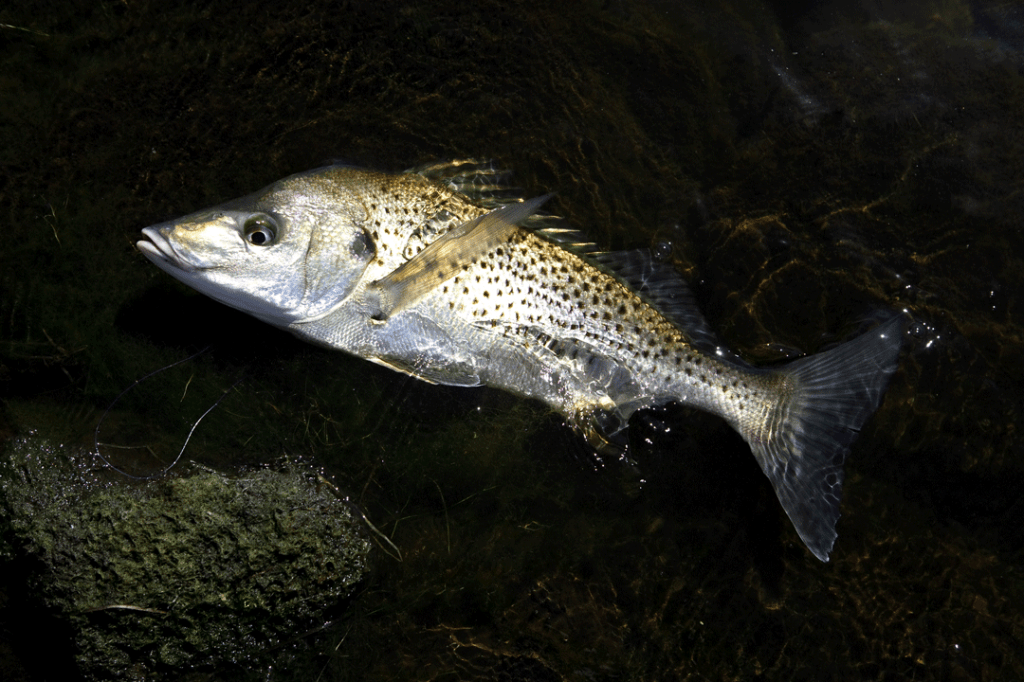
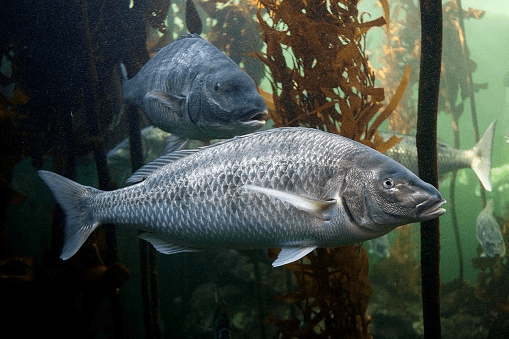
Birdwatchers will delight in the chance to observe the reserve’s avian inhabitants in their natural habitat, from the majestic African fish eagle to the diminutive Malachite kingfisher. Anglers can try their luck fishing in the lagoon’s pristine waters, casting for species such as kob, mullet, and spotted grunter.
For those seeking a more adrenaline-fueled experience, the nearby beaches of Jeffreys Bay are a paradise for surfers, offering world-class waves that attract surfers from around the globe. Whether you’re a seasoned pro or a novice looking to catch your first wave, the surf breaks of Jeffreys Bay offer endless opportunities for fun and adventure.
Cultural Importance
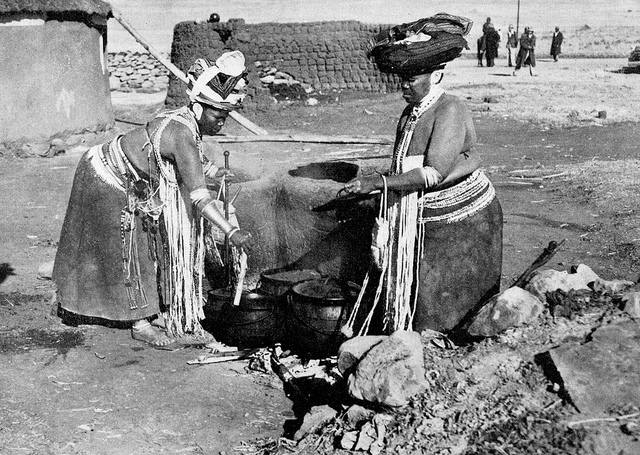
The Jeffreys Bay Lagoon and Nature Reserve holds profound cultural significance for the local communities who have lived in harmony with its landscapes for generations. The Khoisan people, the indigenous inhabitants of the region, have a deep spiritual connection to the land and its natural resources, viewing them as sacred and deserving of reverence and respect.
The reserve is also home to archaeological sites that provide insights into the rich cultural heritage of the area, including evidence of early human settlements dating back thousands of years. These sites serve as a reminder of the enduring relationship between humans and the natural world and the importance of preserving this heritage for future generations.
In addition to its cultural heritage, the reserve plays a vital role in the local economy, supporting ecotourism ventures that provide employment opportunities and sustainable livelihoods for nearby communities. By promoting responsible tourism practices and fostering partnerships with local stakeholders, the reserve contributes to the social and economic well-being of the region while safeguarding its natural heritage for future generations to enjoy.
Jeffreys Bay Lagoon and Nature Reserve stands as a shining example of conservation excellence, where breathtaking natural beauty, ecological diversity, and cultural heritage converge. From its pristine wetlands and coastal dunes to its vibrant communities and rich cultural heritage, the reserve is a testament to the enduring value of protecting our planet’s precious natural resources.
As we look to the future, it is imperative that we continue to support efforts to conserve and protect places like Jeffreys Bay Lagoon, ensuring that they remain havens for biodiversity and sources of inspiration and wonder for generations to come. Through collaboration, innovation, and a shared commitment to sustainability, we can ensure that places like Jeffreys Bay Lagoon and Nature Reserve thrive long into the future, serving as beacons of hope and resilience in an ever-changing world.
Species of fish that occur commonly in the lagoon include:
 The best of Jeffreys Bay & surrounds