
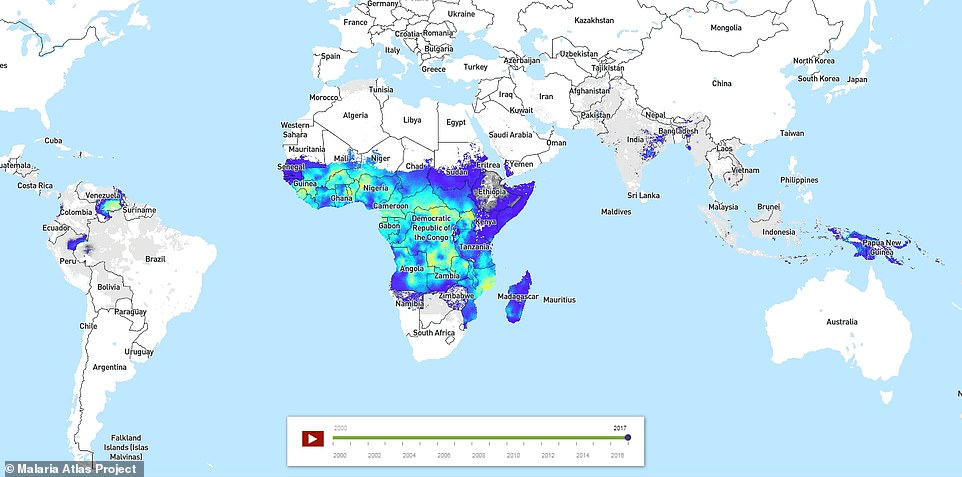
Living in a malaria-free area offers a multitude of benefits that extend beyond just physical health. Malaria, a mosquito-borne infectious disease caused by parasites of the genus Plasmodium, poses significant challenges to affected regions, impacting both individuals and communities. By residing in an environment free from malaria, individuals can experience improved health outcomes, economic prosperity, enhanced quality of life, and environmental preservation.
One of the most evident benefits of living in a malaria-free area is the improvement in public health. Malaria is a leading cause of illness and death in many parts of the world, particularly in tropical and subtropical regions. By eliminating the risk of malaria transmission, individuals are spared from the debilitating symptoms associated with the disease, such as fever, chills, fatigue, and in severe cases, organ failure and death. This reduction in disease burden leads to fewer hospitalizations, lower healthcare costs, and increased life expectancy among residents.
Furthermore, living in a malaria-free area allows individuals to lead more productive lives. In malaria-endemic regions, the disease often results in absenteeism from work or school due to illness or caregiving responsibilities. By eradicating malaria, communities can experience higher workforce participation rates, greater educational attainment, and increased economic productivity. This, in turn, fosters socioeconomic development and poverty alleviation, as households have more opportunities for income generation and upward mobility.
In addition to tangible health and economic benefits, residing in a malaria-free area contributes to an improved quality of life for individuals and communities. Without the constant threat of malaria, people can engage in outdoor activities, such as farming, recreation, and tourism, without fear of contracting the disease. Families can also enjoy peace of mind knowing that their loved ones are protected from malaria-related morbidity and mortality, allowing them to focus on pursuing their goals and aspirations.
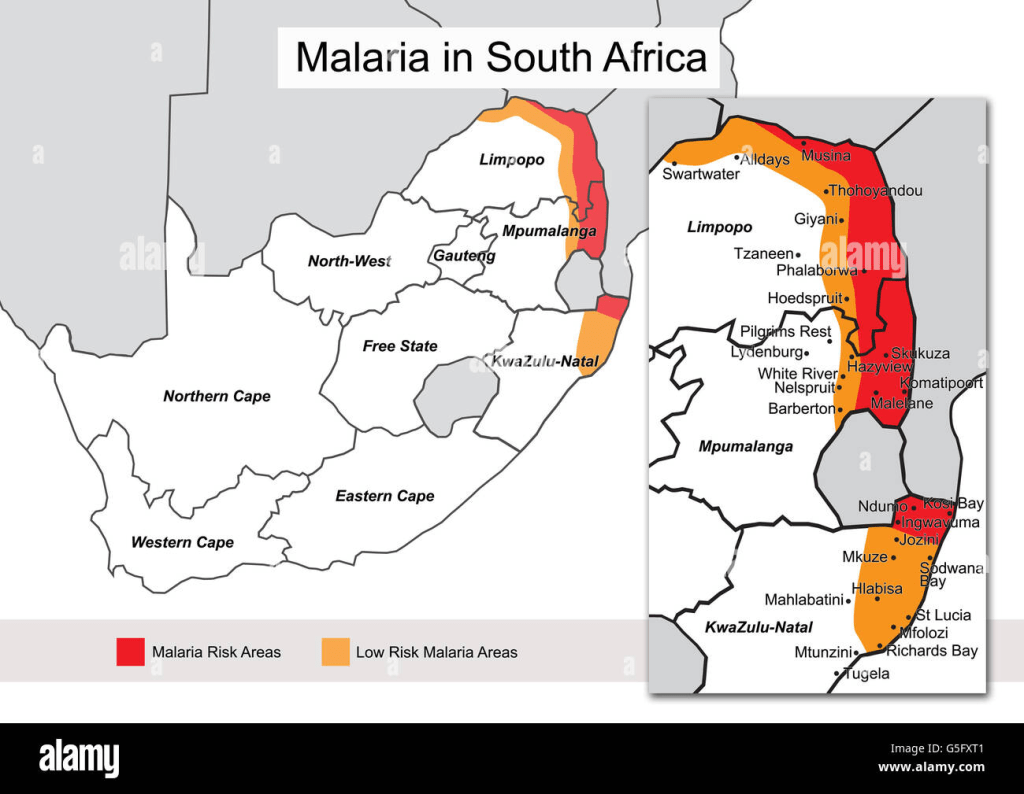
The absence of malaria facilitates environmental preservation and sustainability efforts. Malaria control measures often involve the use of insecticides and environmental modifications to combat mosquito vectors. In malaria-free areas, there is less reliance on these interventions, reducing environmental pollution and mitigating harm to non-target species. Additionally, conservation efforts can thrive in malaria-free regions, as ecosystems remain undisturbed by the ecological disruptions associated with malaria transmission control.
Another significant advantage of living in a malaria-free area is the promotion of tourism and trade. Malaria-endemic regions often face travel restrictions and trade barriers due to concerns about disease transmission. However, in malaria-free areas, tourism flourishes as visitors are attracted to destinations with lower health risks. This influx of tourists stimulates local economies, creates employment opportunities, and promotes cultural exchange and understanding.
Living in a malaria-free area fosters community resilience and social cohesion. In regions where malaria has been successfully eliminated, there is often a sense of collective achievement and pride among residents. Communities work together to maintain malaria-free status through ongoing surveillance, vector control, and public health education initiatives. This shared responsibility strengthens social bonds and builds trust between individuals and institutions, enhancing community resilience to future health threats.
The benefits of living in a malaria-free area extend far beyond the absence of disease. Residents of malaria-free regions experience improved health outcomes, economic prosperity, enhanced quality of life, environmental preservation, and social cohesion. By investing in malaria elimination efforts, governments, organizations, and individuals can create healthier, more resilient communities and pave the way for sustainable development and prosperity.
 The best of Jeffreys Bay & surrounds